


The Rural Doctors Association of Australia is encouraging rural Australians to recognise the carers in their communities and offer practical help to support their health and wellbeing this National Carers Week, 11-17 October 2026.
More than three million Australians provide unpaid care to a family member or friend. This year’s theme, ‘Care for a carer: Making carers visible’, highlights the contribution of people whose caring responsibilities can often go unnoticed.
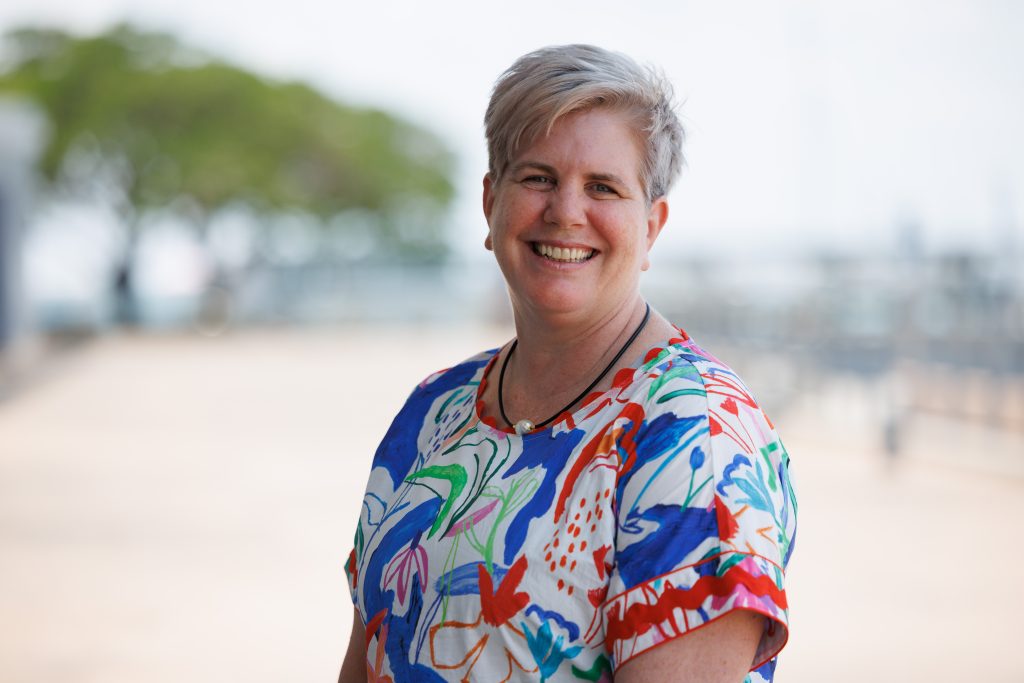
RDAA President Professor Sarah Chalmers said carers help many rural Australians remain at home, close to the people and communities they know and love.
‘Carers make an enormous difference to someone else’s life, often while juggling work, children and their own health needs,’ Professor Chalmers said. ‘They might be helping their partner shower and dress, managing medications for a parent, supporting a child with disability or helping a friend through mental illness.
‘Many don’t think of themselves as carers. They’re simply looking after someone they love. But recognising that caring role is an important step towards getting support.
‘In rural communities, distance and limited access to services can add to the load. A specialist appointment might mean a full day away from home, while finding respite care or someone to help with everyday tasks can be difficult, if not impossible,’ she said.
‘Carers often become very good at keeping everything going. That doesn’t mean it’s easy or that they don’t need a hand.’
A little help goes a long way
Professor Chalmers said paid care workers also make an enormous difference to the lives of the people they support and their families.
‘Caring as a profession is physically and emotionally demanding work, often involving very personal care. A good care worker brings comfort, dignity and companionship, as well as practical help. Many older people want to stay in their own home. Paid carers can help make that possible when family members aren’t available or can’t provide all the care they need.
‘They also provide vital assistance and respite for families caring for someone with long-term disability at home. Having someone available to share the load can give family carers time to rest, work or look after their own health.
‘Care workers make a real difference to quality of life and peace of mind for both their patients, and for the family and loved ones of those they are caring for.’
Carers need help too
RDAA is encouraging carers to make time for their own healthcare and speak with their rural GP or Rural Generalist about how they are coping.
‘When you’re focused on someone else’s needs, it’s easy to put off your own appointments or dismiss how tired or overwhelmed you’re feeling,’ Professor Chalmers said. ‘Your health matters too. Let your doctor know about your caring responsibilities, including anything that is becoming harder to manage.

‘We can talk through your health concerns and help you explore what support may be available. You don’t have to wait until you’re exhausted to ask.’
Professor Chalmers said families, friends, employers and local communities all had a role in caring for carers. ‘A vague “let me know if you need anything” can be hard to take up. Offering something specific, like dropping off a meal, doing the shopping or helping with transport, makes it easier to say yes.
‘Keep inviting carers to catch up, even if they can’t always come. Ask how they are going and give them time to answer.
‘Employers can also make a real difference by talking with staff about their caring responsibilities and exploring flexibility where possible. This National Carers Week, we want to thank rural carers for everything they do, and encourage everyone to think about how they can help.
‘Sometimes the person who is always looking after someone else just needs someone to ask how they are doing – really,’ Professor Chalmers said.
Find out more about National Carers Week here. Carers can also visit carergateway.gov.au for information about available support.
