


Proposals to mandate rural training or service for General Practitioners risk worsening Australia’s GP workforce shortage in regional, rural and remote communities, the Rural Doctors Association of Australia (RDAA) has warned.
RDAA President Dr Sarah Chalmers said while the organisation strongly supports increasing the number of Australian-trained doctors working outside metropolitan areas, coercive approaches may have unintended and counterproductive consequences.
‘RDAA absolutely supports growing the rural medical workforce,’ Dr Chalmers said. ‘But blunt, mandatory policies that compel doctors to train or work rurally risk driving graduates away from general practice altogether.

‘If we want more doctors in rural Australia, we need policies that make rural practice professionally attractive, well-supported and sustainable.
‘While rural training pathways exist for General Practice and Rural Generalist medicine, many other specialties cannot complete training outside major tertiary hospitals.
‘Mandating rural training for GPs, when it cannot be similarly required across all specialties, risks pushing trainees to simply choose another speciality that does not limit them geographically,’ she said.
‘Medical graduates are strategic in planning their careers. If general practice is seen as limiting flexibility many will simply choose another specialty. The unintended consequence would be fewer doctors becoming GPs at all which would further exacerbate shortages.’
Compulsion doesn’t build commitment
Dr Chalmers said existing programs demonstrate that compulsory workforce measures rarely deliver long-term retention.
‘Compulsion does not build commitment,’ she said. ‘Sustainable workforce growth comes from positive exposure, strong supervision, clear career pathways and viable business models.
‘We already see the limitations of proscriptive policies with our International Medical Graduates. While they make an enormous contribution to rural healthcare, many leave as soon as their mandated service period ends or seek arrangements that reduce their rural time.
‘Instead of introducing new mandates we need to strengthen policies already showing results,’ Dr Chalmers said. ‘IMGs make an enormous contribution to rural healthcare, but many leave once their mandated period ends or seek arrangements that reduce their rural time.
‘Instead of introducing new mandates we need to strengthen policies already delivering measurable results.’
Scope to improve existing programs
Rural Generalist medicine continues to rank strongly among final-year medical students as a training pathway of choice, and the Australian College of Rural and Remote Medicine’s data shows around 80 per cent of Fellows are still working rurally five years after qualification.
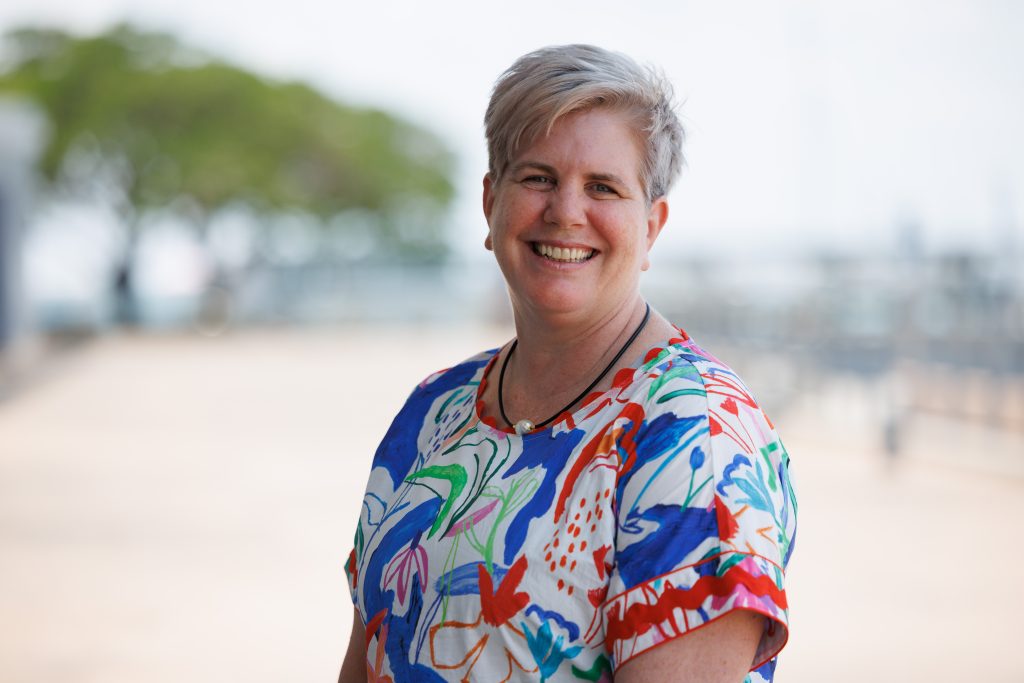
Dr Chalmers says there is also scope to improve existing incentive programs. ‘Existing funding investment in RG training is seeing an impressive return on investment,’ she said.
‘A key priority in RDAA’s pre-Budget submission is formally embedding Rural Generalist medicine within the Australian health system through recognition in the Medicare Benefits Schedule (MBS) and Pharmaceutical Benefits Scheme (PBS). This would significantly strengthen confidence in Rural Generalism as a secure, properly recognised specialist field of practice.
‘The HELP debt reduction scheme introduced under the previous government had promise, however its eligibility criteria are so rigid and poorly aligned with rural training pathways that it has proven extremely difficult for doctors to access in practice.
‘If governments are serious about strengthening rural healthcare, the focus should be on refining and expanding proven incentive-based policies, not introducing measures that may deter graduates from entering general practice. Should domestic graduates avoid general practice altogether in response to this proposal rural and remote communities will face even greater GP shortages.
‘Rural communities benefit most when doctors choose rural practice because they want to build a life and career there; not because they are required to serve time,’ said Dr Chalmers.
‘The goal should be long-term, stable rural workforce growth, and that comes from making rural medicine a compelling professional choice.’
