


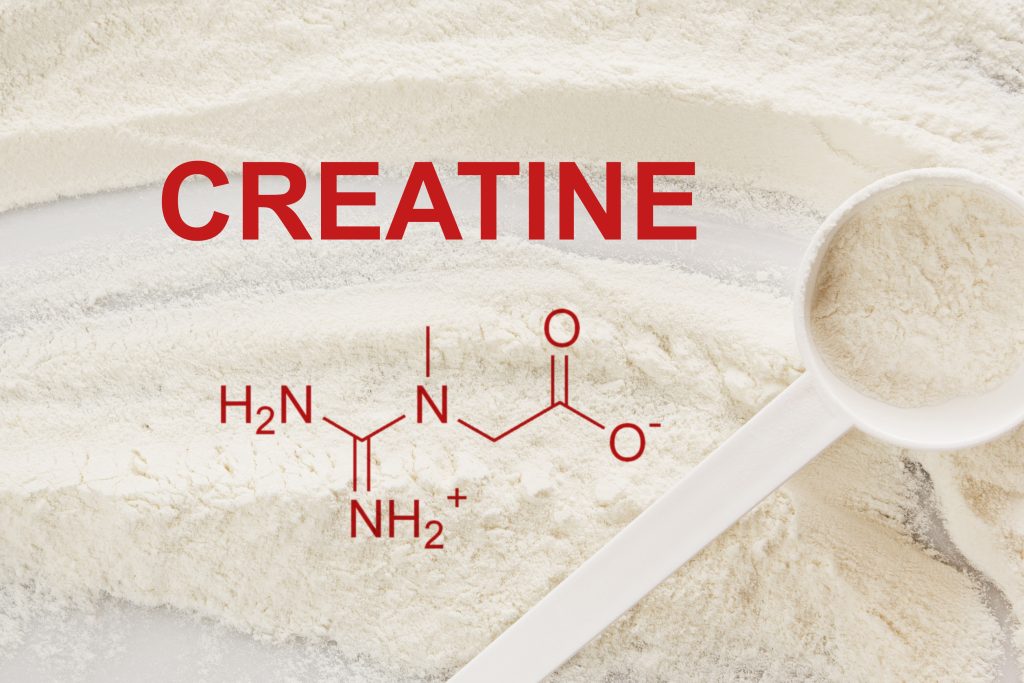
Creatine is one of the most widely researched and commonly used sports supplements in the world. It is a naturally occurring compound found in human muscle cells and is also present in foods such as red meat and fish. In powder form, synthetically produced creatine is available as a supplement suitable for both omnivores and vegans.
Your body naturally produces creatine in the liver, kidneys, and pancreas, where it’s made from three amino acids; arginine, glycine and methionine. While creatine is well known for its role in athletic performance, research suggests it might also provide benefits for general health and healthy ageing.
One of the primary benefits of creatine is its ability to improve high-intensity exercise performance. Creatine helps the body produce adenosine triphosphate (ATP), the main source of energy used during short bursts of activity such as sprinting, jumping, cycling and weightlifting. By increasing the amount of stored creatine in muscles, supplementation can enhance strength, power, and exercise capacity.
Numerous studies have shown that athletes who take creatine often experience greater gains in muscle mass and strength when combined with resistance training.

Creatine also appears to aid recovery after exercise. Some research shows that it can reduce muscle damage and inflammation following intense workouts, allowing individuals to recover more quickly between training sessions. This can be particularly valuable for anyone undertaking demanding training programs.
Beyond sports performance
Studies suggest creatine may help older adults maintain muscle mass, strength, and physical function, all important factors in healthy ageing.
Age-related muscle loss, known as sarcopenia, can increase the risk of falls and loss of independence. When combined with strength training, creatine supplementation might help counter some of these effects.
Emerging research is also exploring creatine’s role in brain health. Because the brain requires large amounts of energy, creatine may support cognitive function, particularly during periods of mental fatigue, sleep deprivation, or ageing. Researchers are investigating whether creatine could have benefits for conditions involving impaired energy metabolism.
Some studies have also suggested potential cognitive benefits for vegetarians and vegans who supplement with creatine. Since dietary creatine intake is very low or nonexistent in plant-based diets, supplementation may help support energy availability in the brain, although research in this area is still developing
Potential risks
The most commonly reported side effect of creatine supplementation is weight gain, largely due to increased water retention within muscle cells. While this is generally harmless and may even contribute to improved performance, people who are trying to lose weight may be unimpressed.
Digestive issues like bloating, stomach discomfort, nausea, or diarrhoea can occur, particularly when large doses are taken at once. These effects can often be minimised by taking smaller doses and ensuring adequate hydration, or trying a different brand or formulation of the product.
Concerns have sometimes been raised about creatine and kidney health. Current evidence indicates that creatine supplementation is generally safe for healthy individuals when taken at recommended doses.
However, people with existing kidney disease or impaired kidney function should consult a healthcare professional before using creatine supplements.
As with any supplement, quality and purity are important considerations. Choosing products from reputable manufacturers that undergo independent testing can help reduce the risk of contamination or inaccurate labelling.
How big is the creatine market?
Huge. In 2025, the global creatine market was estimated to be worth around US$1.37 billion, up from $900 million in 2023, and this trend appears to be continuing.
Initially marketed as a product for young, male gym junkies, it’s now also becoming popular among women and older adults, with growing interest in the cognitive as well as athletic benefits.
Australia doesn’t publish national creatine statistics, but since receiving the blessing of the Australian Institute of Sport as an evidence-based supplement, usage is also steeply on the rise here, with perhaps as many as a million regular users.
Have you tried creatine? What was your experience? Let us know in the comments.

1 Comment

My husband and I used creatine for a year but we finished a year ago. This was because it increased my weight, and caused him cramps in the legs and occasionally the hands. Since stopping, these side effects have stopped.