


Australians are being urged to check their vaccination status for diphtheria, following a significant increase in cases reported nationally in 2026.
Diphtheria is a serious bacterial infection that can affect the nose, throat, airways or skin. In severe cases, respiratory diphtheria can obstruct breathing, and the toxin can cause life-threatening complications, including heart and nerve damage.
The Australian Immunisation Handbook recommends routine vaccination as a primary course for infants and routine boosters for adolescents and adults in certain circumstances, because vaccination remains the strongest protection against this preventable disease. The primary course for infants is one dose at two, four and six months old.

Pharmacy Guild of Australia National Vice President Simon Blacker said vaccinations are vital at every age. The largest proportion of new cases has been occurring in adults aged 25-44 years who accounted for 46 per cent of cases.
‘Community pharmacists can quickly and easily help people check their vaccination records, provide expert advice and, where appropriate, administer diphtheria‑containing vaccines – often with no appointment required,’ said Mr Blacker.
‘Diphtheria is affecting Australians well beyond childhood, particularly younger and middle‑aged adults. We know significant numbers of people are not up to date for their boosters. Checking your vaccination status is a simple step, and community pharmacies are uniquely placed to make that process fast, accessible and convenient.’
Pharmacists across Australia access and update the Australian Immunisation Register, helping patients understand whether they are fully protected and providing tailored advice based on age, risk and local requirements.
Mr Blacker added, ‘It’s particularly important if you can’t recall when you had your last vaccination; haven’t had a booster in over 10 years; are working with vulnerable people, or if you are pregnant.
‘You don’t need to book ahead or wait weeks for an appointment,’ he said. ‘You can simply walk into your local pharmacy and get advice from a trusted health professional.’
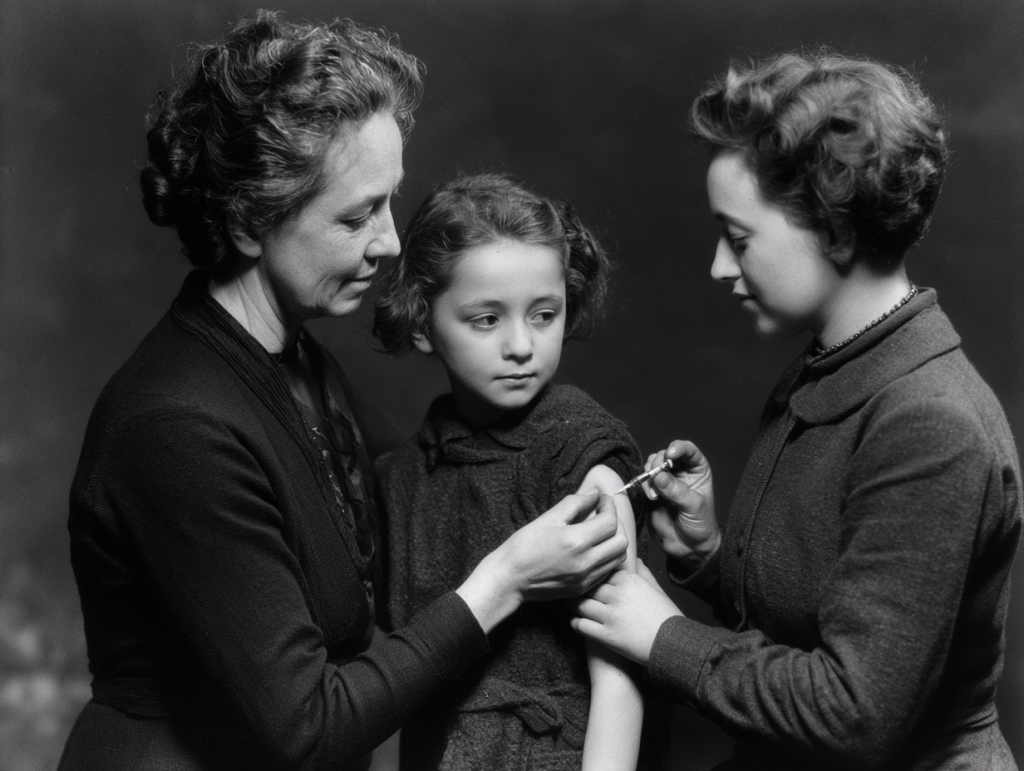
AMA echoes call for action
The Australian Medical Association says there have been 223 diphtheria notifications in 2026 at 19 May, already exceeding any full calendar year recorded since national reporting began, with public health authorities warning of increasing notifications since late 2025.
AMA President Dr Danielle McMullen said the rise in diphtheria cases was a serious reminder of the importance of vaccines.
‘Immunisation is one of the greatest achievements in modern medicine, but when vaccination rates fall, serious diseases, which we had largely eliminated, can make a come back,’ she said.
‘We are seeing that risk play out with diphtheria, and it is a timely reminder for Australians to check they are up to date and to talk to their usual GP if they have questions.
‘Through the federal AMA’s national Have the JABCHAT campaign, we are encouraging Australians to speak with their usual GP about any questions or concerns they may have about vaccines,’ Dr McMullen said. ‘We developed this campaign to encourage people to get qualified, personalised and confidential advice from their trusted doctor.
‘We know many Australians are turning to AI tools and online searches for health advice. But those tools can’t look at your medical history, understand your personal risks, or give you the context you deserve — and they’re not always accurate or validated. AI can give you an answer, but it can’t give you your answer.

‘Our campaign is designed to encourage and support Australians, who feel unsure or overwhelmed, to access advice they can trust. Australians deserve advice that is trustworthy, tailored to them and delivered in a confidential setting — and that’s exactly what a conversation with a doctor provides.’
The AMA is encouraging parents, carers and adults to review their vaccination status, including any booster doses they may be due for, and to book an appointment with their GP to discuss the vaccinations recommended for them and their family.
Catch-up vaccinations may be available for families with missed or delayed vaccinations.
